I work on turning scientific understanding into industrial systems.
Industry has always depended on measurement, models and control. What is changing is how much of the physical world we can measure, how well we can model it, and how directly we can turn that understanding into decisions, software and eventually autonomous systems.
- Measurement
- Models
- Software
- Industrial systems
Most of my work sits somewhere in that chain.
I started in physics, co-founded Veridis, and have spent much of the last few years working across measurement technology, scientific software, product architecture, company building and strategy. Partly by choice, and partly because difficult physical problems have the slightly annoying habit of ignoring organisational charts (no matter how well I try to design them).
Selected work
Veridis & MADSCAN
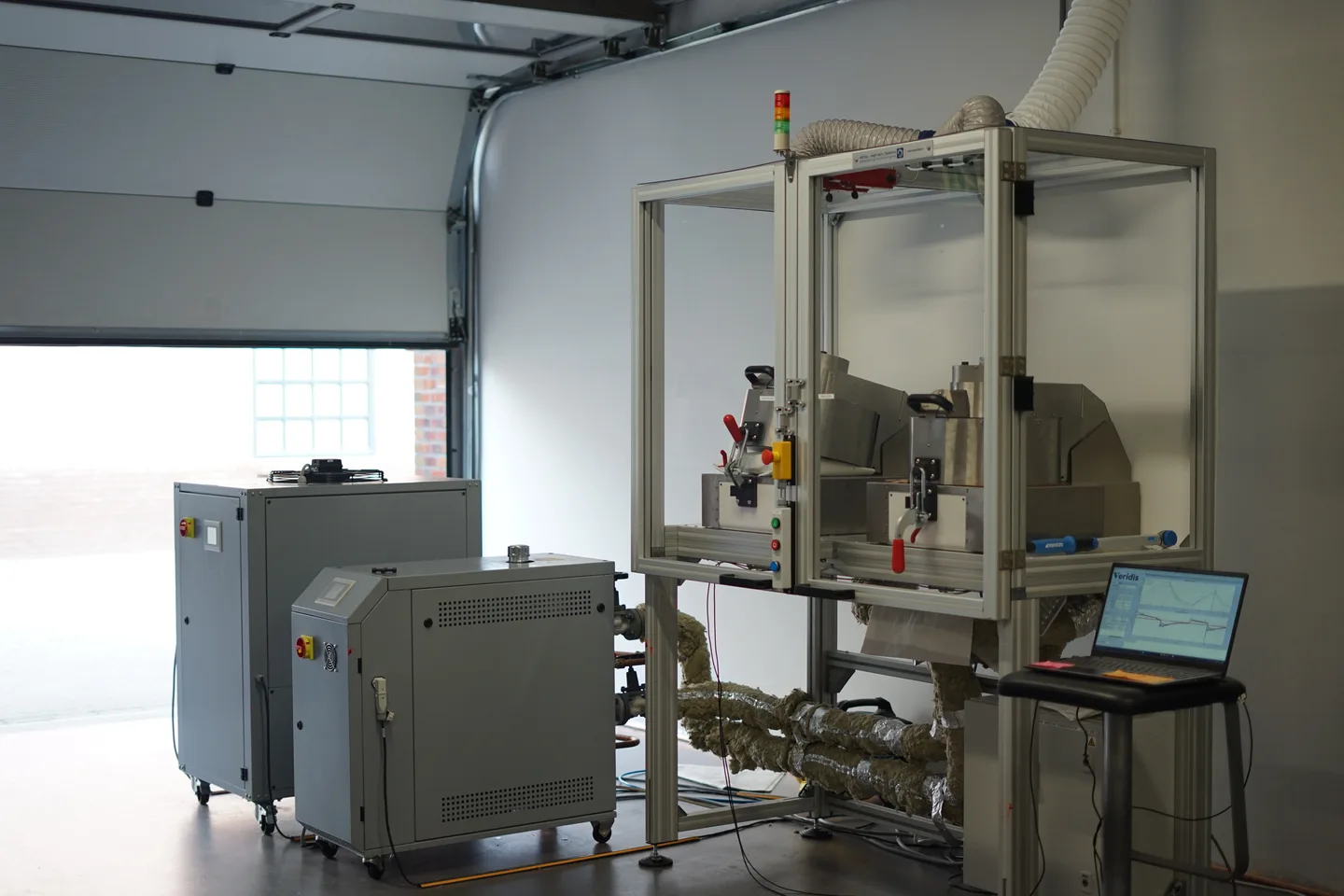
I co-founded Veridis around a fairly simple observation with a rather difficult engineering consequence.
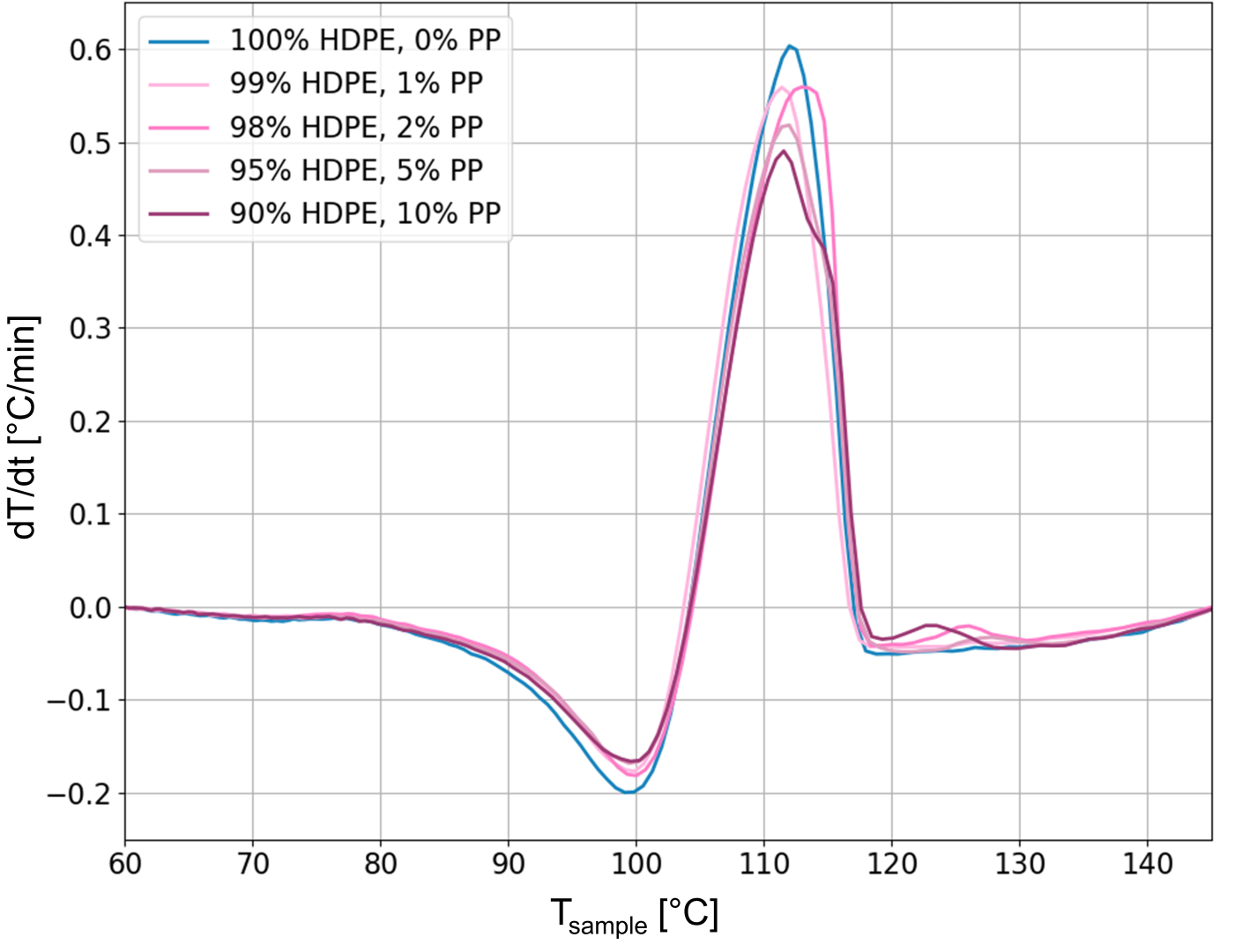
Plastic recyclers make decisions about tonnes of heterogeneous material. Conventional thermal analysis usually measures milligrams.
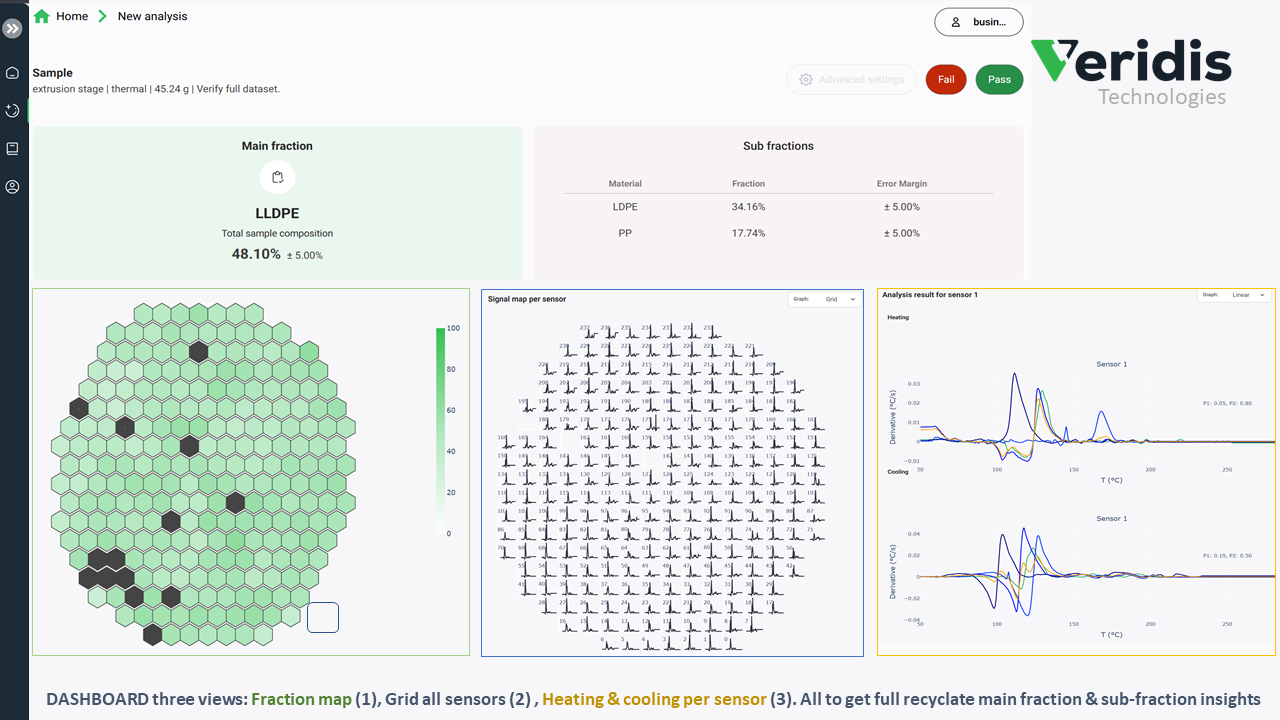
MADSCAN grew out of trying to close that gap by developing a large-sample thermal analysis for recycled plastics.
I led Veridis as CEO until mid-2023 and took on the role of Chief Strategy Officer in late 2024. My work spanned strategy, product, systems architecture, scientific software and technology development. I am also a named co-inventor on the patent family behind the underlying calorimetric approach.
The technology itself was only part of the problem. Making it work required understanding heat transfer, sensors, materials, measurement uncertainty, software, industrial workflows and the economics of why anyone should care.
Which is generally how these things go.
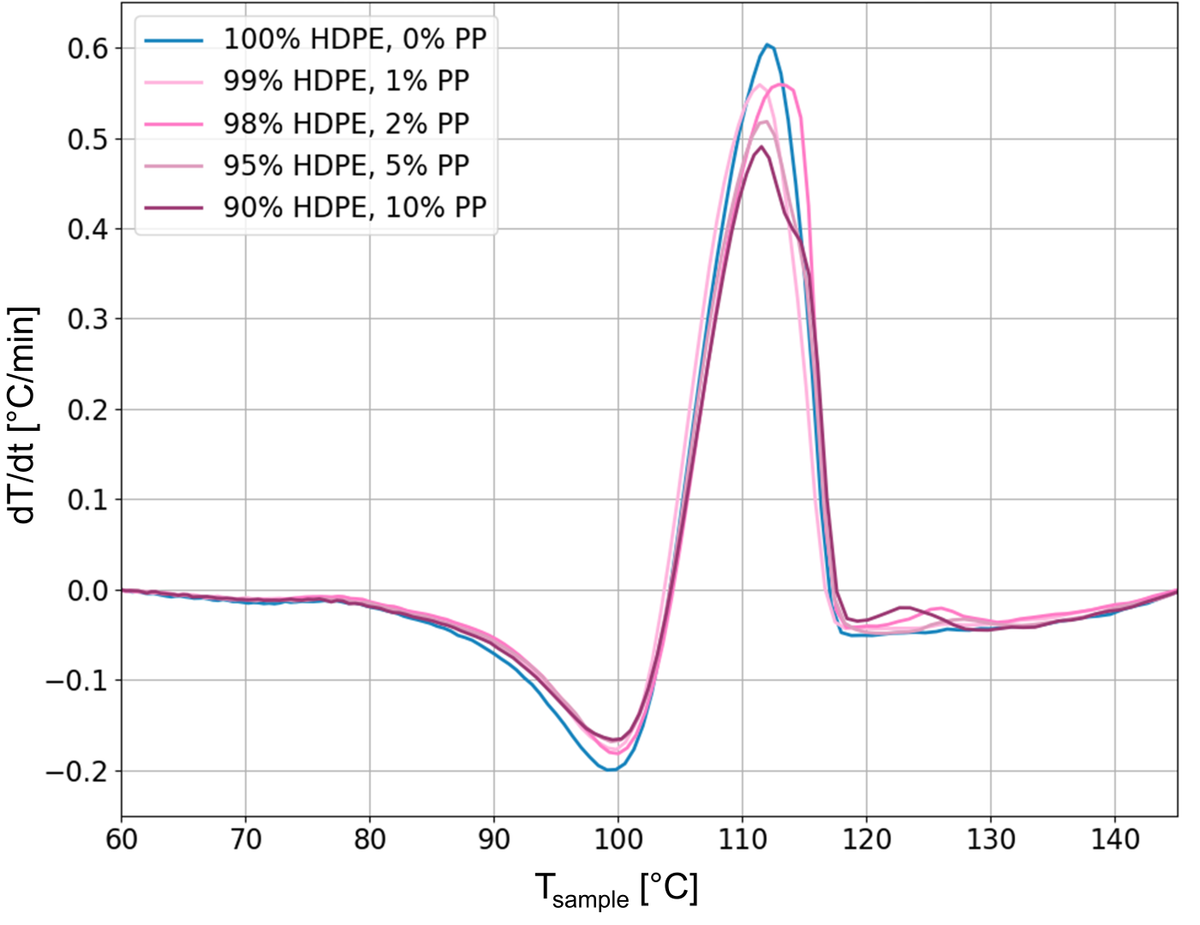
Research
Some of my work sits further upstream.
I have co-authored research on self-oscillating poroelastic instabilities and worked with Vrije Universiteit Amsterdam through PolyPulse, an applied research project exploring selective polymer recycling using intense light.
The individual subjects vary, but the underlying questions tend to be similar:
- What is actually happening in the physical system?
- How can we measure it?
- And what becomes possible once we understand the mechanism well enough?
Scientific software
Measurement systems increasingly produce more information than a human can sensibly interpret directly.
That has pulled a growing part of my work into scientific software: processing measurement data, modelling physical behaviour, separating physical effects from measurement artefacts and turning scientific methods into reproducible software systems.
I am particularly interested in the step between scientific models and runtime systems: taking something computationally expensive or operationally awkward and making it fast and reliable enough to use where the physical process is actually happening.
Because “it works beautifully on my workstation” is not normally an industrial specification.
What I work on
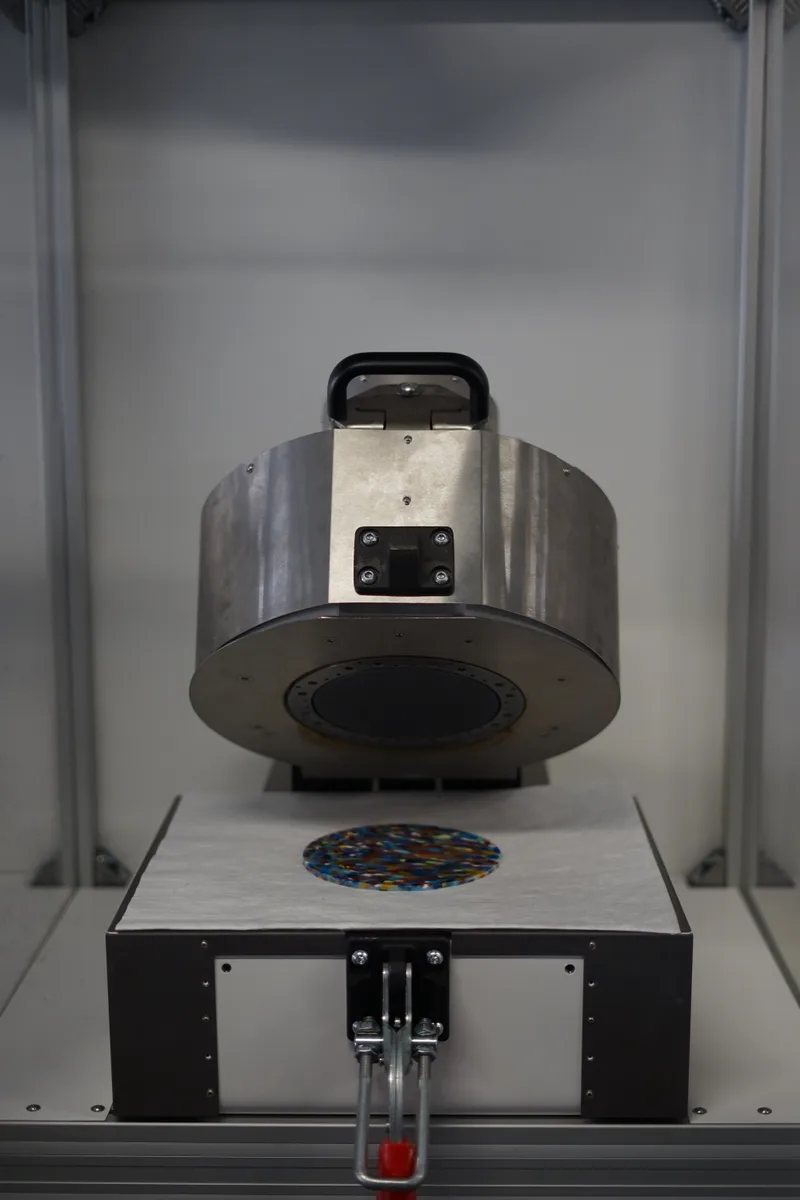
Sample and scanner detail.
A measurement can be scientifically valid and industrially useless. A model can be accurate and too slow to use. A technically excellent product can solve the wrong problem. And occasionally, everyone can become extremely good at optimising something that probably should not exist in the first place.
Industrial metrology
How do we measure complex physical materials and processes well enough to make useful decisions about them?
Scientific and computational models
How do we turn physics, measurements and data into models that explain or predict what a system is doing?
Scientific software
How do we turn those models into reliable tools instead of leaving them to live a peaceful life inside a research notebook?
Products and companies
And then the inconvenient final question: how do we make the whole thing useful, manufacturable, economically sensible and understandable to another human being?
How I think
A recurring lesson from building technical systems is that the problem is rarely where the organisational boundary says it is.
An apparent software problem may actually be a measurement problem. A measurement problem may originate in mechanical design. A product problem may be a badly chosen system boundary. And strategy becomes rather difficult when the underlying physics has been abstracted away to the point that nobody remembers it exists.
So I tend to work from the system outward:
- Understand the physical truth first.
- Determine what actually constrains the system.
- Measure what matters.
- Remove unnecessary complexity before optimising it.
- Then build the product, software and organisation around that reality.
There are more sophisticated ways of saying this. They are not necessarily more useful.
Computational industrialism
I use computational industrialism as shorthand for the broader transition tying much of this together.
Physical industry is becoming more measurable, modelled, inferential and increasingly autonomous.
Not because every machine desperately needs an AI copilot.
Because better sensors, scientific models, computation and software increasingly allow us to understand physical systems in real time and act on that understanding.
The long-term consequences are important: more of an industrial system's intelligence moves from fixed machinery and human intuition into an evolving computational layer around the physical process.
That creates interesting problems in metrology, modelling, control, software architecture, product design and strategy.
Conveniently, I like those problems.
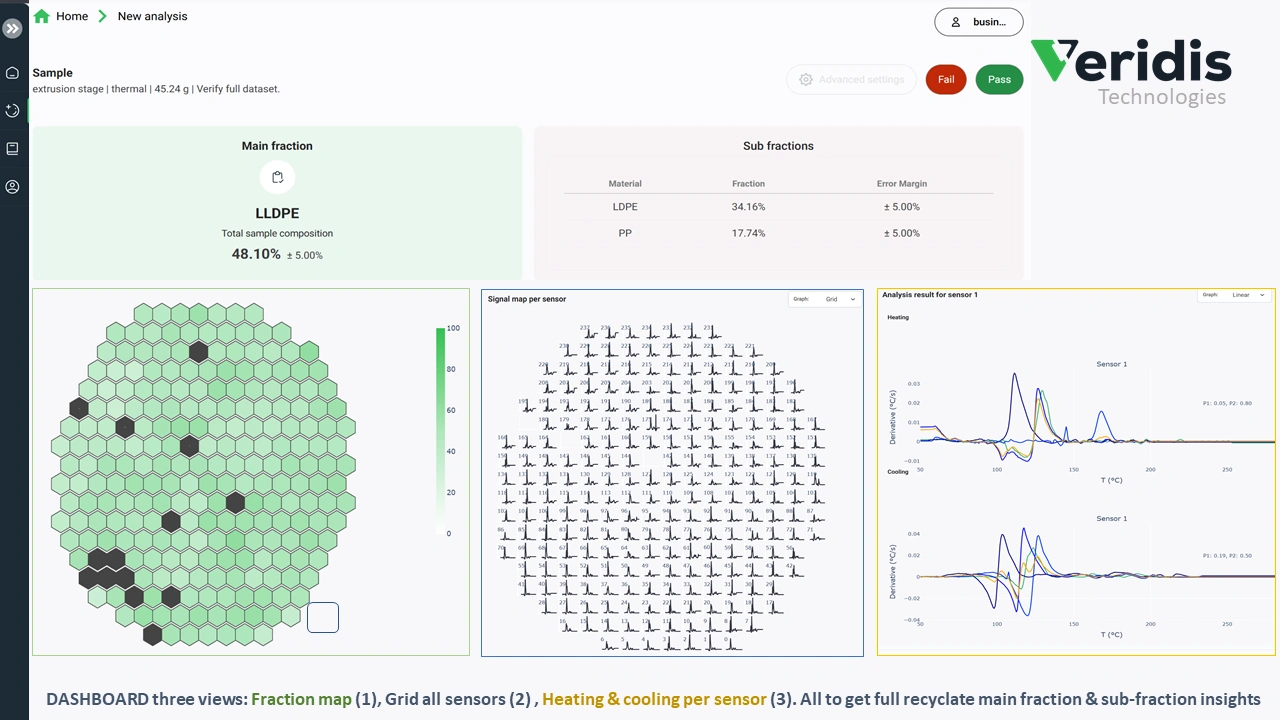
Now ·
I’m currently wrapping things up at Veridis and scheming the next steps.
Writing
I write about science, technology, industrial systems, company building and strategy.
Some pieces are research-heavy and extensively referenced. Others are essays, frameworks or notes where I am trying to work out what I think.
The standard is roughly the same either way:
Explain how the thing works. Cite claims where the evidence matters. Separate evidence from inference and opinion. I also have a slightly annoying habit of searching for the one word that carries a whole paragraph’s worth of meaning.
And occasionally make a somewhat excessive historical/literary/scientific analogy if the situation clearly deserves one or even if it does not.


Contact
I am always interested in difficult problems where the science, technology, product, company or strategy cannot really be separated without losing something important.
If you are working on one of those, feel free to send me a note.
A specific hard problem is generally a better starting point than “we should explore synergies”.
Contact Nigel →n.d.j.visser@outlook.com